
Why Early Detection Isn’t Enough
Cancer rarely appears out of the blue. For most people it develops slowly, often over many years. By the time it shows up on a scan or causes symptoms, it has usually been building quietly in the background.
This is why early detection campaigns are so common. Mammograms, colonoscopies, Pap smears, PSA tests — all designed to find cancers before they spread. These tools save lives, but they are not prevention.
There is also a hidden catch. Screening sometimes picks up the wrong kind of cancer. Harmless or very slow-growing tumours can be flagged as dangerous, leading to biopsies, surgery, chemotherapy, or radiation that might never have been needed. This is called overdiagnosis. It happens more often than most people realise, especially with breast, prostate, and thyroid cancers.
The consequences can be serious. Unnecessary treatment brings real risks: fatigue, pain, scarring, anxiety, financial cost. And while doctors focus on non-lethal cancers, aggressive ones can still slip through the cracks.
Screening is a safety net. It improves odds, but it does not stop cancer from forming. The real leverage comes from looking further upstream and reducing the risks that allow cancer to take hold in the first place.
Screening is useful, but it is not prevention.
Source:
/wiki/Overdiagnosis
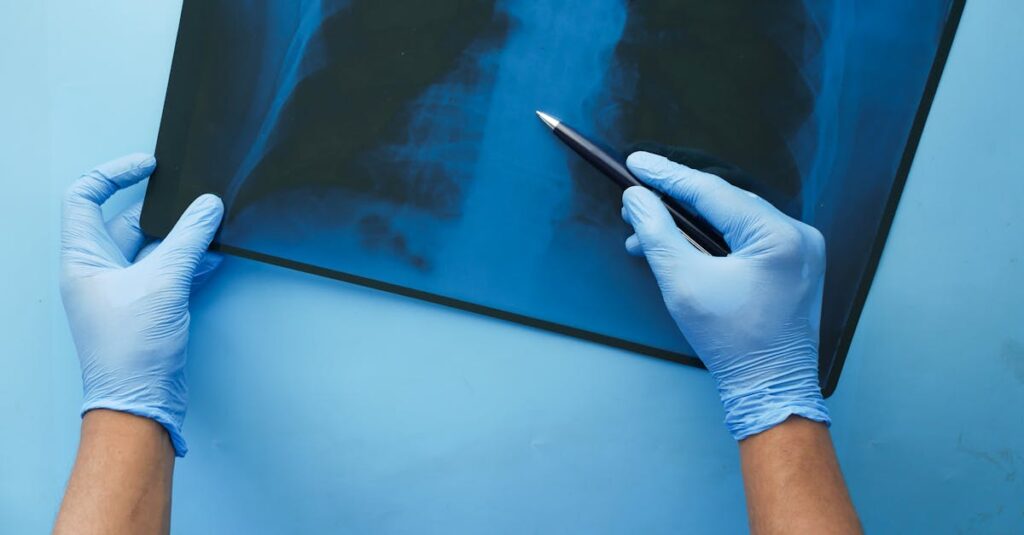
The Real Causes Behind Most Cancers
It is easy to think of cancer as a random strike of bad luck. We all know someone who lived a clean life and still got sick, and someone else who smoked, drank, and ate poorly yet seemed to escape trouble. These stories stick with us, but they hide the bigger picture.
Large studies show that 70 to 90 percent of cancers are linked to lifestyle and environment. Only about 5 to 10 percent come directly from inherited genes. In other words, most cancers are not written into your DNA at birth. They develop over time through the way you live, the food you eat, and what your body is exposed to.
Here are the biggest culprits:
Tobacco and alcohol
Tobacco remains the number one preventable cause of cancer. It damages DNA directly, creates inflammation, and floods the body with carcinogens. Alcohol is also classified as a carcinogen by the World Health Organization. Even moderate drinking is linked to breast, throat, liver, and colon cancers.
Diet, obesity, and inactivity
A poor diet and excess weight raise the risk of multiple cancers, including colorectal, pancreatic, and post-menopausal breast cancer. Carrying extra fat tissue drives chronic inflammation and hormonal changes that feed tumour growth. Combine this with low physical activity, and the risk climbs higher.
Infections and viruses
Some cancers have clear links to infections. Human papillomavirus (HPV) is behind nearly all cervical cancers. Hepatitis B and C are leading causes of liver cancer. The bacterium Helicobacter pylori plays a major role in stomach cancer. These links are strong enough that vaccines for HPV and hepatitis B are now considered cancer-prevention tools.
Sun damage and pollutants
Ultraviolet radiation is a major driver of skin cancer, the most common cancer worldwide. Air pollution and workplace chemicals also add to the load. While you cannot avoid every exposure, reducing unnecessary risk makes a real difference over time.
The key takeaway is this: most cancers are not inevitable. Genetics matter, but they are only one piece of the puzzle. For the majority of people, daily choices and exposures carry far more weight.
Source:
wikipedia.org/wiki/Cancer
Key modifiable risk factors:
- Tobacco and alcohol: Major contributors to preventable cancers.
- Diet, obesity, inactivity: Linked to roughly 30 to 40 percent of cancer risk.
- Infections and viruses: HPV, hepatitis B and C, and H. pylori are well-known culprits.
- Sun damage and pollutants: UV exposure and environmental toxins play a role.
Sources:
/wiki/Causes_of_cancer
wiki/Cancer_prevention
cancer.gov/about-cancer/causes-prevention/
Lifestyle Changes That Move the Needle
If most cancers are linked to how we live, then changing daily habits is one of the most powerful forms of prevention. These shifts are not about quick fixes or extreme diets. They are about stacking small, consistent actions that lower your risk over time.

1. Quit Tobacco and Limit Alcohol
Smoking is still the leading cause of preventable cancer worldwide. It is responsible for around one in five cancer deaths and linked to at least 15 different cancer types, including lung, bladder, pancreas, stomach, and throat. What makes tobacco so dangerous is not just nicotine, but the cocktail of chemicals that damage DNA, promote inflammation, and weaken the body’s natural defences against rogue cells.
The good news is that the benefits of quitting are immediate. Within weeks, circulation and lung function begin to improve. Within a year, the risk of heart disease is cut in half. Within ten years, the risk of lung cancer drops by about 50 percent compared with someone who continues smoking. No matter how long you have smoked, stopping always improves the odds.
Alcohol is another risk factor that many people underestimate. It is officially classified as a Group 1 carcinogen by the World Health Organization, the same category as asbestos and tobacco. Alcohol breaks down in the body into acetaldehyde, a toxic chemical that damages DNA and prevents cells from repairing themselves.
The link between alcohol and cancer is strongest for cancers of the breast, mouth, throat, liver, and colon. Risk rises with the amount consumed, but research shows that even light drinking can increase cancer risk. There is no truly safe level, although lower is always better.
For most people, the realistic approach is harm reduction. Cutting down makes a measurable difference. Saving alcohol for special occasions, choosing smaller measures, and building alcohol-free days into the week all reduce the long-term risk. And just like with smoking, the benefits of reducing or quitting alcohol begin as soon as you make the change.
Sources:
cancer.gov/about-cancer/causes-prevention
nutritionsource.hsph.harvard.edu/cancer/preventing-cancer/
timesofindia.indiatimes.com/life-style
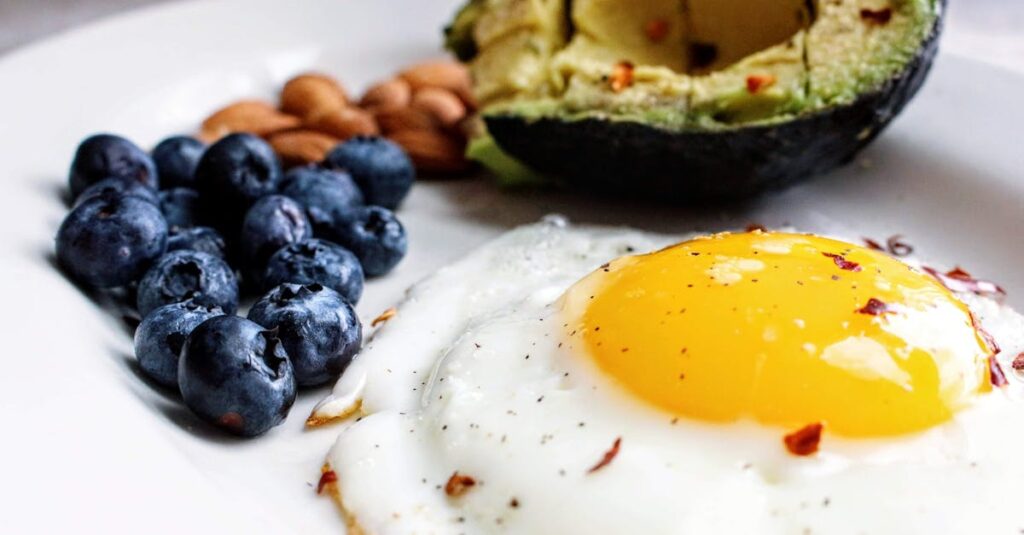
2. Eat Real, Whole Food
Plant-heavy diets lower cancer risk. Processed fooFood is not just fuel. The nutrients, fibre, and chemicals in what we eat either protect our cells or make them more vulnerable to damage. A diet built around whole foods lowers cancer risk in several important ways:
- Fibre from fruit, vegetables, and whole grains helps regulate hormones, improve digestion, and feed beneficial gut bacteria. These bacteria produce compounds that reduce inflammation and support immunity.
- Antioxidants from colourful produce protect DNA from damage and support repair.
- Healthy fats from olive oil, nuts, seeds, and oily fish improve hormone balance and reduce inflammation.
On the other side of the scale, processed meats, refined carbohydrates, sugary drinks, and ultra-processed foods all raise risk. They promote weight gain, inflammation, and metabolic dysfunction — all of which create the conditions for cancer to grow.
The goal is not perfection. It is about tipping the balance so that the protective foods dominate your plate and the harmful ones become occasional treats rather than everyday staples.ds, red meat, and excess sugar are linked with higher risk.
Source:
mayoclinic.org/healthy-lifestyle

3. Stay Active and Maintain Healthy Weight
Exercise and a healthy weight lower risk for coloRegular movement is one of the most reliable cancer-prevention tools we have. Exercise lowers the risk of at least 13 different cancers, including colon, breast, endometrial, kidney, and bladder. It works by:
Improving insulin sensitivity and reducing blood sugar spikes
Lowering inflammation
Balancing sex hormones like estrogen and testosterone
Supporting immune function, which helps the body find and destroy abnormal cells
The good news is that the bar is not high. Brisk walking, cycling, swimming, dancing, or lifting weights all count. Even 30 minutes of moderate activity most days of the week has a measurable effect.
Weight also matters. Fat tissue is not just passive storage. It actively produces hormones and inflammatory signals that fuel tumour growth. Carrying extra weight, especially around the waist, is strongly linked to higher risk of breast, colon, and pancreatic cancers. Maintaining a healthy weight is therefore one of the most important long-term strategies against cancer.n, breast (post-menopause), and endometrial cancers.
Sources:
mayoclinic.org/healthy-lifestyle
cancer.org/cancer/types
wiki/Obesity_and_cancer

4. Protect from UV and Infections
Skin cancer is the most common cancer worldwide, and it is largely preventable. Most cases are linked to excess ultraviolet (UV) radiation from the sun or tanning beds. Simple steps like using sunscreen, seeking shade, and avoiding tanning beds dramatically lower the risk.
Infections are another important but often overlooked factor. Certain viruses and bacteria play a direct role in cancer development:
- HPV causes almost all cervical cancers and is linked to throat and anal cancers.
- Hepatitis B and C infections are leading causes of liver cancer.
- Helicobacter pylori bacteria can lead to stomach cancer.
Vaccines for HPV and hepatitis B are already widely available and highly effective. Treating infections early also lowers long-term risk. Protecting yourself against these threats is a form of cancer prevention just as real as diet or exercise.
Source:
timesofindia.indiatimes.com/life-style

5. Prioritise Sleep, Move Often, Reduce Sitting
Sleep and stress are often treated as “soft” factors, but research shows they play a real role in cancer risk. Poor or irregular sleep disrupts circadian rhythms, damages immune function, and alters hormone levels. Over time, this makes it harder for the body to suppress abnormal cell growth.
Chronic stress triggers a similar pattern. Elevated cortisol and other stress hormones weaken immune surveillance and promote inflammation. Stress also tends to push people toward poor lifestyle choices. Overeating, drinking, smoking, or staying sedentary, all amplify risk.
The fix is not complicated, but it does take discipline. Aim for 7 to 9 hours of quality sleep. Protect time for winding down at night. Build stress relief into your daily life, whether that means meditation, breathing exercises, time outdoors, or simply staying connected with supportive people.
Source:
wiki/Obesity_and_cancer
Early Detection: Still Useful but Only Part of the Equation
Screening is valuable for certain cancers, especially when there is a clear window to intervene before things turn serious. Colonoscopies can find polyps before they ever turn cancerous. Mammograms can spot breast tumours when they are small and more treatable. Pap smears can catch abnormal cervical cells long before they develop into cancer. In these cases, early detection is proven to save lives.
But screening is not perfect. It is designed to pick up disease that already exists, not to stop it from forming in the first place. And even when it does find cancer, it cannot always tell the difference between an aggressive tumour that will spread quickly and a harmless or very slow-growing tumour that may never cause trouble.
This is where the problem of overtreatment comes in. Prostate cancer is the classic example. Many prostate tumours grow so slowly that they never affect quality of life, yet screening often leads to surgery or radiation. These treatments carry risks like incontinence and sexual dysfunction, which may outweigh the benefits for some men. Thyroid cancer is another area where overdiagnosis has led to unnecessary operations without improving survival rates.
The challenge is to strike the right balance. Screening has clear benefits, but it works best when combined with a careful understanding of personal risk. Family history, lifestyle, and age all matter. A healthy, low-risk person may benefit from fewer tests, while someone with multiple risk factors may need closer monitoring.
The takeaway is this: use screening as a tool, not a shield. It can improve outcomes, but it does not replace prevention. A colonoscopy might remove a dangerous polyp, but it cannot undo years of smoking, poor diet, or inactivity. The best results come from combining smart screening with upstream lifestyle changes that reduce risk long before a scan is needed.
Sources:
cancer.gov/about-cancer
wiki/Overdiagnosis
https://www.cancer.org/health-care-professionals
Problems with relying on screening alone:
Fast-growing cancers can still be missed
Not all cancers grow at the same pace. Some develop so quickly that they can appear in the years between scheduled screenings. For example, an aggressive form of breast cancer may not be visible on a mammogram one year but could be advanced by the time the next one comes around. This is why screening lowers risk but never eliminates it.
Harmless tumours are sometimes over-treated
Screening is good at finding abnormalities, but not all abnormalities are dangerous. Some tumours grow so slowly that they would never cause symptoms in a person’s lifetime. Prostate and thyroid cancers are well-known examples. These can lead to unnecessary biopsies, surgery, or radiation, which come with side effects that may be worse than the disease itself.
It can lead to expensive and damaging interventions
False positives are common in cancer screening. A suspicious spot may trigger further scans, invasive tests, or even surgery before it is clear whether the tumour is harmful. This can cause physical complications, emotional stress, and financial strain. Even when the result turns out to be harmless, the damage may already have been done.
Why Prevention Works
- Prevention is not glamorous. It does not make headlines the way new drugs or surgical techniques do, but it consistently delivers the biggest impact at the population level.
- Large cohort studies show that people who follow basic cancer-prevention habits — not smoking, eating a balanced diet, staying active, and limiting alcohol — cut their overall cancer risk by as much as 40 to 60 percent. That is a bigger effect than almost any drug currently available.
- In the United States alone, researchers estimate that nearly 20 percent of cancers are linked to poor diet, inactivity, obesity, and alcohol use. That means hundreds of thousands of cases could be prevented every year through lifestyle change.
- Prevention also protects against other chronic diseases at the same time. The same habits that lower cancer risk also reduce the risk of heart disease, type 2 diabetes, and dementia. In other words, one set of behaviours pays dividends across the board.
- The economic impact is enormous too. Cancer treatment is among the most expensive areas of healthcare, often costing tens or even hundreds of thousands per patient. Preventing even a fraction of cases saves money, eases the burden on healthcare systems, and avoids the personal financial strain that treatment brings.
- For younger adults, prevention is more urgent than ever. Cancer rates are rising in people under 50, driven by obesity, poor diet, lack of exercise, and disrupted sleep. Starting healthy habits early creates a buffer that can pay off decades down the line.
- The bottom line: prevention is not just about avoiding disease. It is about improving quality of life, saving money, and staying independent for longer. While early detection and treatment matter, the strongest defence is reducing risk in the first place.
Source:
jamanetwork.com/journals
- In the US, poor diet, inactivity, obesity, and alcohol contribute to nearly 20 percent of all cancers.
Source:
cancerprogressreport
- Cancer rates in younger adults are climbing. Obesity, poor diet, inactivity, and sleep issues are leading suspects.
Source:
verywellhealth.com
Simple Daily Choices That Lower Cancer Risk
| Habit | Benefit |
|---|---|
| Stop smoking | Reduces risk of many cancers |
| Eat whole foods | Lowers inflammation and carcinogen intake |
| Move regularly | Reduces hormonal and immune-related risks |
| Reach healthy weight | Cuts obesity-linked cancer risk |
| Vaccinate | Prevents viral-driven cancers |
| Screen mindfully | Improves outcomes without overdiagnosis |
| Avoid sun damage | Prevents skin cancers |
Final Word: Take Control Before Cancer Takes Hold
Cancer is not just a roll of the dice. For most people, it is the result of long-term choices and exposures that slowly tip the odds in the wrong direction. Screening has value, and treatment saves lives, but the most powerful tool you have is prevention.
That means moving your body every day, eating real food, keeping alcohol in check, protecting yourself from infections and sun damage, getting enough sleep, and above all, not smoking. These are simple actions, but when stacked together they create a shield that is stronger than any pill or scan.
The point is not perfection. Nobody eats perfectly or exercises every day of their life. What matters is consistency. Small, sustainable changes made now will compound over time, lowering risk not just for cancer, but for heart disease, diabetes, and dementia as well.
Do not wait for a diagnosis to start paying attention. The earlier you act, the more control you have. Prevention is not about fear — it is about freedom. It is about giving yourself the best chance to live a long, healthy, independent life.
Start today. Future you will thank you.
Pingback: The 4 Horsemen of Ageing — And How to Outrun Them – lifehackdesign.com