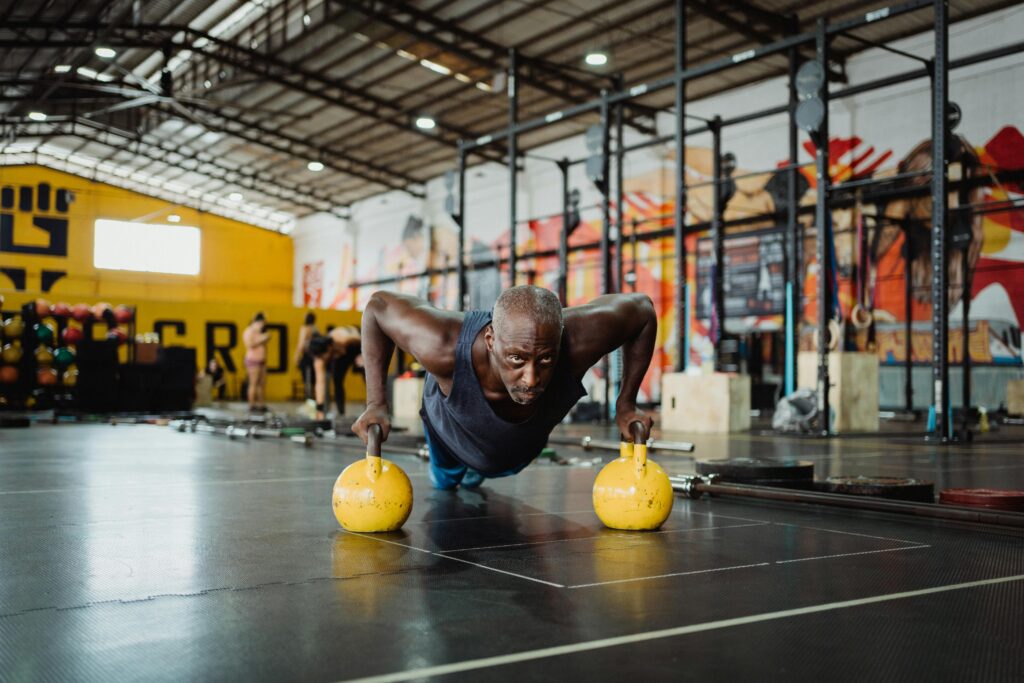
Exercise and Ageing: What Works, What Doesn’t, and Why It Matters
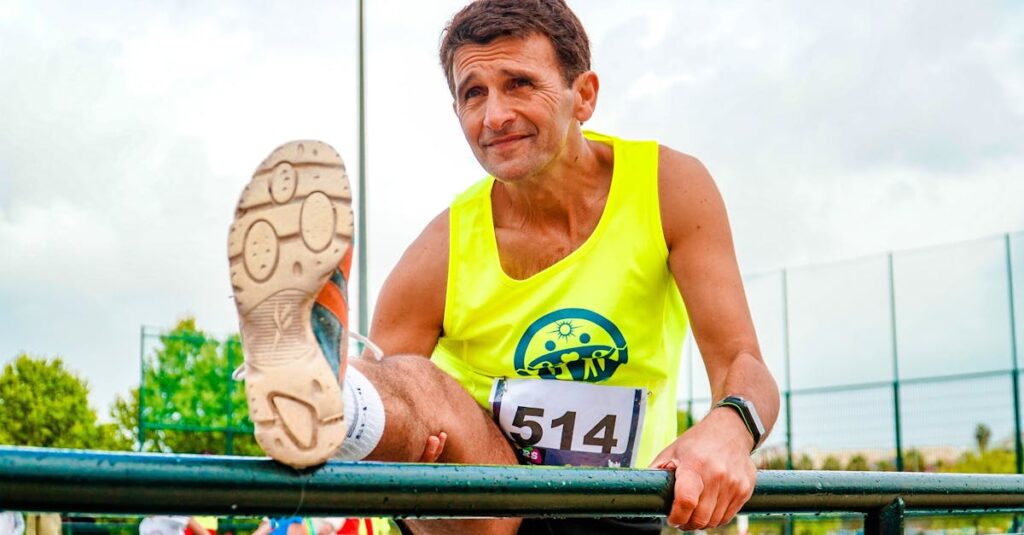
Why Exercise Matters More With Age
Movement is often treated as optional, but it becomes essential as we get older. Exercise is not just about burning calories or looking good. It maintains muscle mass, preserves mobility, strengthens bones, protects the brain, and reduces the risk of falls and fractures.
In fact, regular activity can cut the risk of chronic conditions like heart disease, cancer, diabetes, and dementia by 30 to 50 percent. More importantly, it keeps people independent. The difference between someone who can get up from a chair at 80 and someone who cannot often comes down to whether they kept moving in midlife.
Source:
https://www.cdc.gov/physicalactivity/basics/older_adults/index.htm
The Myths About Age and Exercise
Many people assume exercise should slow down or stop after a certain age. The reality is almost the opposite. While intensity, recovery, and injury prevention matter more, staying active is crucial.
Myth 1: Older adults should stick to “gentle” activity
Walking and stretching are valuable, but they are not enough to maintain strength, balance, and cardiovascular health on their own.
Myth 2: Strength training is dangerous for older people
Supervised, progressive resistance training is one of the most effective tools for protecting bone density and preventing frailty.
Myth 3: Cardio is the only priority
A balanced routine of cardio, strength, flexibility, and balance training offers the best protection against decline.
Source:
https://www.nhs.uk/live-well/exercise/physical-activity-guidelines-older-adults/

Low-Impact Cardio: Swimming, Cycling, and Rowing
Low-impact activities are often ideal for ageing joints. They deliver cardiovascular benefits without the pounding that running or high-impact aerobics can bring.
Swimming
Swimming supports the body in water, reducing stress on joints. It builds endurance, strength, and flexibility at the same time. Studies show it improves heart health and lowers fall risk by strengthening core stability and coordination.
Cycling
Cycling, whether outdoors or on a stationary bike, provides excellent cardiovascular conditioning. It strengthens the legs and hips, improves circulation, and is easy to scale up or down. Some older adults struggle with balance on road bikes, so stationary cycling is often safer.
Rowing
Rowing machines provide a effective full-body workout that combines cardio with strength. They target large muscle groups in the legs, back, and arms without joint strain. Proper technique is key to avoid lower back issues, but when done well, rowing builds power and endurance simultaneously.
Sources:
https://www.health.harvard.edu/exercise-and-fitness/rowing-machines-a-great-choice-for-a-low-impact-workout
https://www.healthline.com/health/fitness-exercise/best-exercises-for-seniors
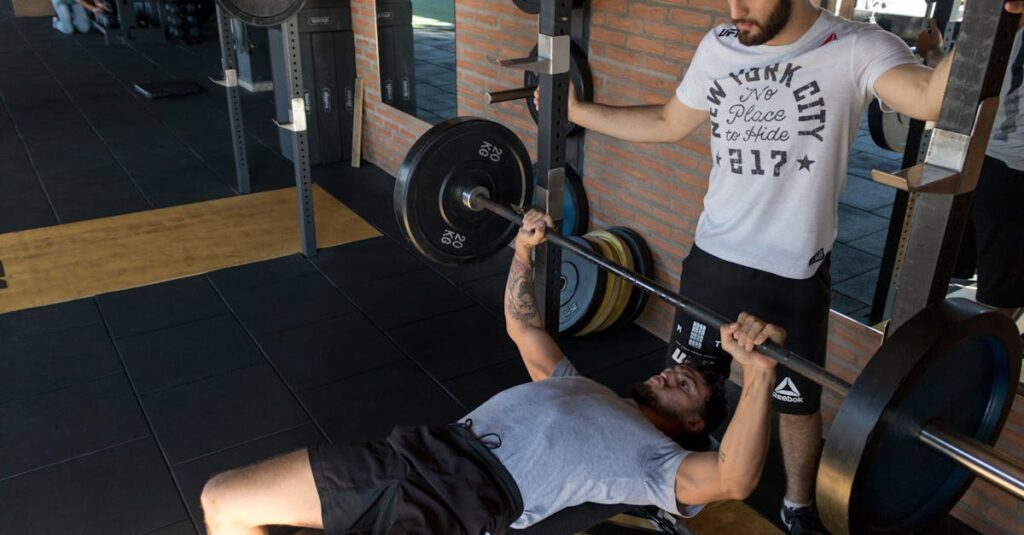
The Importance of Weight Training as We Age
Muscle loss, known as sarcopenia, begins as early as our 30s and accelerates after 50. Without intervention, most people lose up to 50 percent of their muscle mass by their 80s. This is one of the strongest predictors of loss of independence.
Resistance training is the best defence. Lifting weights, using resistance bands, or even bodyweight exercises like squats and push-ups build strength and bone density. Studies show strength training improves balance, reduces the risk of falls, and even improves insulin sensitivity, lowering the risk of diabetes.
Importantly, it is never too late to start. People in their 70s and 80s who take up weight training still build muscle and strength. The focus should be on proper form, gradual progression, and adequate recovery.
Sources:
https://www.ncbi.nlm.nih.gov/pmc/articles/PMC6769764/
https://www.health.harvard.edu/staying-healthy/strength-training-builds-more-than-muscles
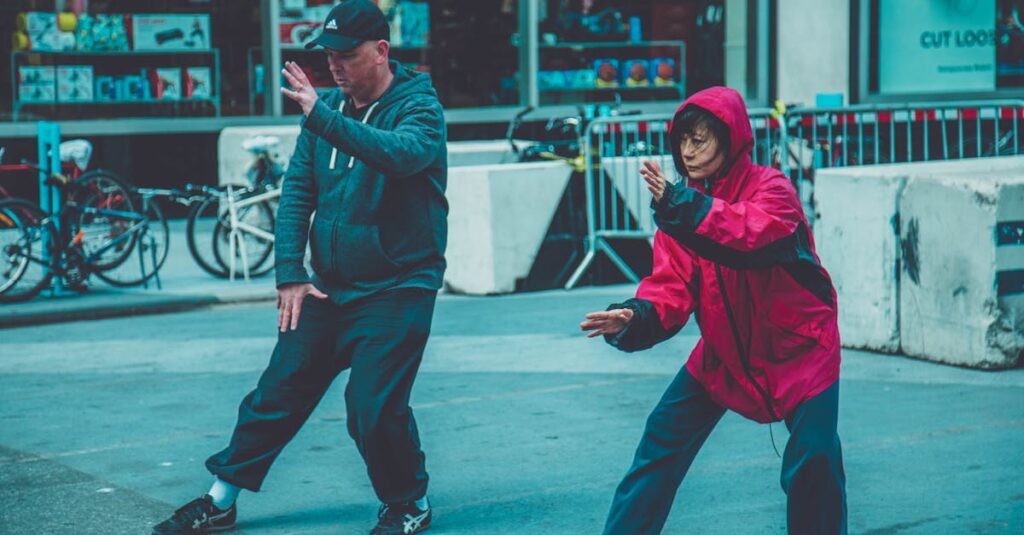
Flexibility and Balance: The Forgotten Pillars
Strength and cardio get most of the attention, but flexibility and balance are just as important as we age. Stiff joints and poor balance are two of the leading causes of falls, which remain one of the biggest threats to independence in older adults.
Yoga
Gentle yoga improves flexibility, posture, and joint range of motion. Many styles also emphasise breathing and mindfulness, which reduce stress and improve body awareness. Modified poses and chair yoga options make it accessible for almost any fitness level.
Tai Chi
Tai chi is often called “meditation in motion.” It combines slow, controlled movements with deep breathing and focus. Studies show it improves balance, reduces fall risk, and boosts confidence in mobility.
Pilates
Pilates builds core strength, stability, and flexibility. It is especially helpful for posture and back health, both of which decline with age. Many Pilates exercises can be adapted for beginners or those with limited mobility.
Simple balance drills
Even without formal classes, simple balance training makes a big difference. Standing on one leg while brushing your teeth, walking heel-to-toe in a straight line, or doing gentle calf raises are easy ways to train stability daily.
Building in flexibility and balance work at least 2–3 times a week rounds out an exercise routine and protects against the most immediate risk of ageing: losing independence after a fall.
Source:
https://www.ncbi.nlm.nih.gov/pmc/articles/PMC6289038/
What You Should and Shouldn’t Do as You Age
Do:
- Include a mix of cardio, strength, balance, and flexibility
- Choose low-impact activities if you have joint issues
- Progress slowly and listen to your body
- Make activity social when possible for extra motivation
Don’t:
- Avoid all exercise because of fear of injury
- Stick only to walking without adding resistance work
- Ignore pain or push through significant joint discomfort
- Forget recovery — older bodies need more rest between intense sessions
Why Prevention Works
Exercise prevents decline more effectively than any medication. Physical activity reduces the risk of heart disease, diabetes, dementia, and depression. It protects mobility, balance, and independence. Starting in midlife builds reserves that carry into later decades, but it is never too late to benefit.
Even people in their 70s, 80s, and 90s see improvements in strength, balance, and mood after beginning a new exercise program. Prevention through exercise is about quality of life, not just quantity of years.
Source:
https://www.who.int/news-room/fact-sheets/detail/physical-activity
Final Word: Keep Moving, Stay Independent
Exercise is one of the most reliable ways to stay healthy and independent as you age. Whether it is swimming, cycling, rowing, lifting weights, or walking with friends, the key is to stay consistent.
Movement preserves strength, balance, and brain health. It protects against disease and keeps daily life enjoyable. The body adapts at any age, but only if you give it a reason to.
Start small, progress safely, and make it a part of your lifestyle. Your future self will thank you.
Suggested Next Reads
- The Best Low-Impact Workouts for Ageing Joints
- Why Strength Training is Essential After 50
- Balance and Flexibility: How to Fall-Proof Your Future
- Rethinking Couch to 5K for Older Adults
- Exercise Recovery and Mobility in Later Life