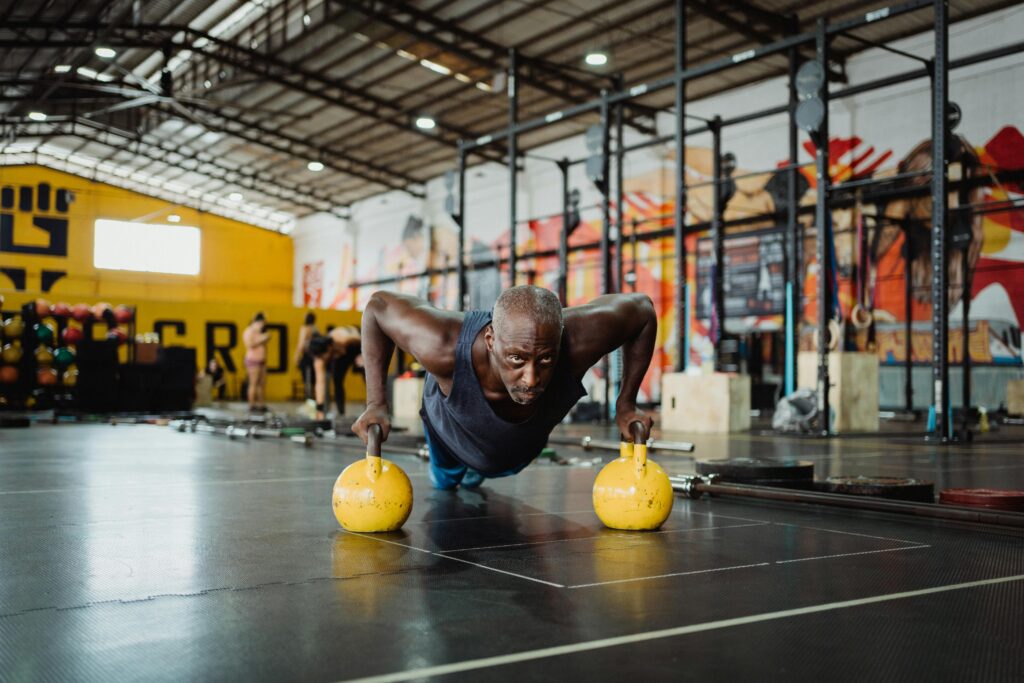

Why Recovery Matters More as You Age
In your twenties, you could lift heavy, run hard, and be back at it the next day. In your fifties and beyond, the body plays by different rules. Muscle repair slows, connective tissue becomes less elastic, and hormones that aid recovery are not as abundant as they once were.
This does not mean you cannot train hard — it means recovery becomes part of the training. Skipping it increases the risk of injury, stalls progress, and makes it harder to stay consistent. Good recovery habits are what allow older adults to keep exercising well into later decades.
Source:
https://www.ncbi.nlm.nih.gov/pmc/articles/PMC6451960/
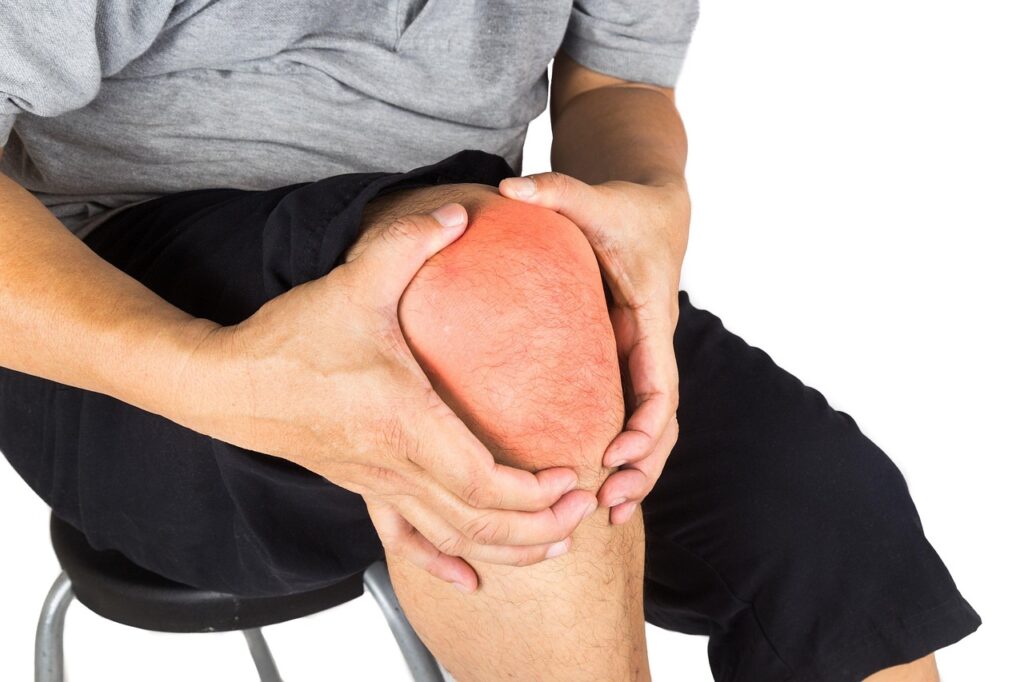
The Physiology of Ageing and Recovery
Slower muscle repair
Muscle protein synthesis declines with age, meaning it takes longer to repair and grow after workouts.
Reduced collagen and elasticity
Tendons and ligaments stiffen, raising the risk of strains and joint pain.
Hormonal shifts
Lower levels of testosterone, growth hormone, and estrogen reduce recovery capacity.
Inflammation
Ageing bodies tend to have higher baseline inflammation, which can slow healing and increase soreness.
Understanding these changes highlights why recovery is not optional — it is the foundation for safe, effective training later in life.

The Key Elements of Recovery
Sleep: The Master Reset
Deep sleep is when most muscle repair and hormone regulation happens. Older adults often sleep less deeply, so building good routines is critical. Aim for 7–9 hours per night, with consistent bed and wake times.
Nutrition: Fuel for Repair
Protein is essential for muscle repair. Older adults should target 1.2–1.6 grams of protein per kilogram of body weight daily. Omega-3 fats (from fish, flax, walnuts) reduce inflammation, while fruits and vegetables provide antioxidants that speed recovery. Creatine and whey protein are proven supplements for supporting repair and energy.
Hydration: The Overlooked Factor
Dehydration makes muscles and joints stiffer, increases fatigue, and slows recovery. Thirst declines with age, so drinking regularly — not just when thirsty — is important.
Active Recovery
Gentle movement such as walking, cycling, yoga, or tai chi improves circulation and reduces stiffness. Active recovery is often more effective than total rest.
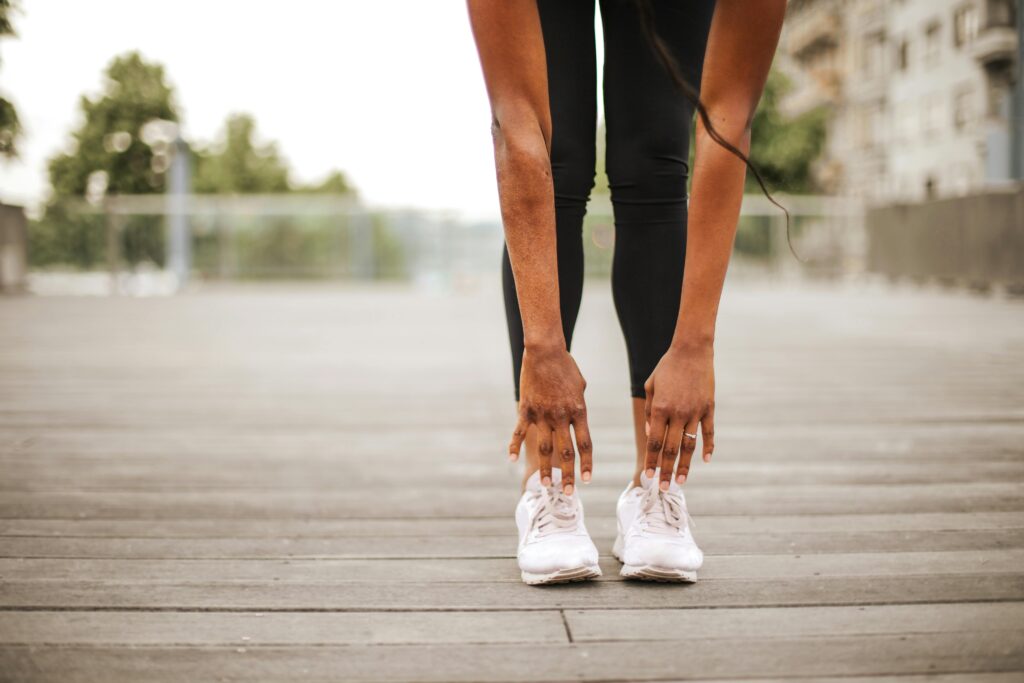
Mobility and Stretching
Stretching after workouts maintains flexibility, reduces stiffness, and keeps joints moving freely. Foam rolling or massage can also improve circulation and reduce muscle tension.
Sources:
https://www.ncbi.nlm.nih.gov/pmc/articles/PMC7071644/
https://www.nia.nih.gov/health/exercise-older-adults
Mobility: The Foundation of Independence
Mobility is more than being flexible. It is the ability to move joints freely and perform daily activities without pain or restriction.
Loss of mobility is one of the main reasons older adults lose independence. Regular mobility training — stretching, yoga, tai chi, Pilates, or even simple balance drills — keeps joints lubricated, muscles long, and movement patterns smooth.
Good mobility also reduces fall risk and improves posture, which protects the spine and reduces chronic pain.
Source:
https://www.ncbi.nlm.nih.gov/pmc/articles/PMC6769764/
How to Program Recovery in Later Life
- Alternate intensity: Follow hard sessions with lighter ones
- Take rest days seriously: Two or more per week if training intensely
- Warm up and cool down: At least 5–10 minutes each to prepare joints and muscles
- Listen to pain: Mild soreness is normal, sharp pain is a warning sign
- Schedule mobility sessions: Treat stretching, yoga, or tai chi as workouts, not add-ons
Common Recovery Mistakes
- Treating recovery as “doing nothing” rather than an active process
- Ignoring sleep quality and nutrition
- Training like a 20-year-old with no adjustments
- Skipping warm-ups or stretching because of time
- Over-relying on painkillers instead of addressing root causes

Why Prevention Works
A solid recovery plan does not just prevent injuries. It maintains muscle, flexibility, and energy over time. The payoff is fewer setbacks, better long-term progress, and more years of safe activity. Prevention through recovery is about preserving the ability to keep moving, not just healing after you are forced to stop.
Final Word: Train Hard, Recover Smarter
Exercise in later life is not about pulling back, it is about playing the long game. Recovery is how you keep showing up — stronger, healthier, and pain-free.
Sleep well, eat enough protein, hydrate, move gently on rest days, and build mobility into your routine. The reward is not just better workouts, but decades of independence and resilience.