
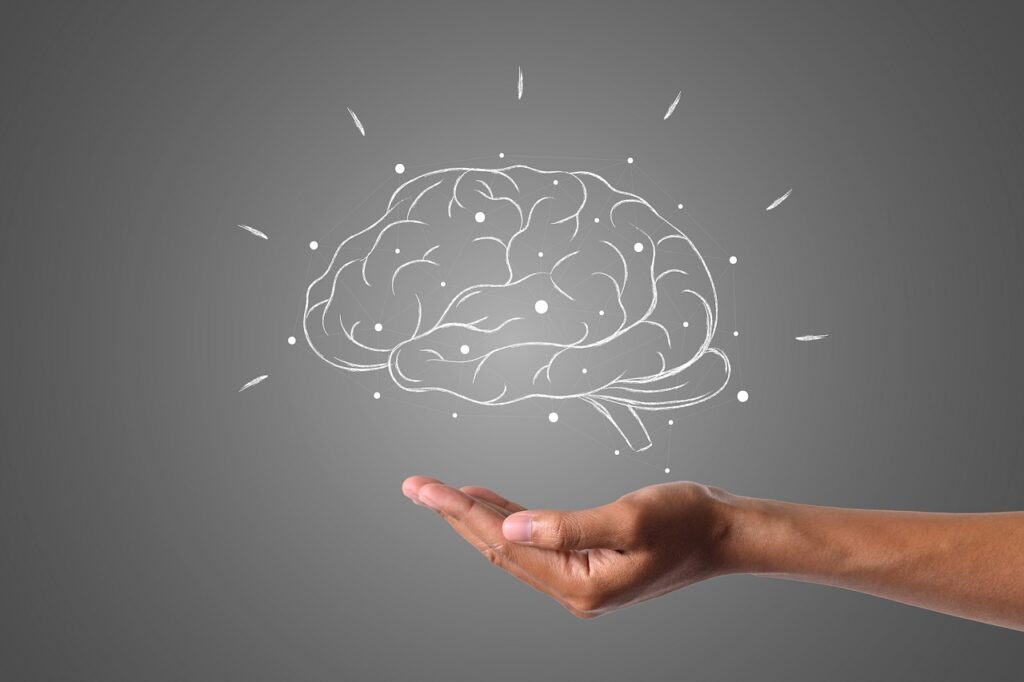
Why Brain Health Matters
For most people, living longer is not the real goal. Living well is. Staying mobile, independent, and mentally sharp into your 80s, 90s, and beyond is what really counts. The greatest threat to that independence is not a broken bone or even heart disease. It is the slow decline of the brain.
Alzheimer’s disease, Parkinson’s disease, and other forms of dementia are now among the leading causes of death worldwide. They strip away memory, identity, and the ability to live without constant care. Unlike a heart attack or a cancer diagnosis, neurodegeneration unfolds quietly, often decades before the first symptoms appear.
The good news is that many of the same habits that protect the heart and reduce cancer risk also protect the brain. The earlier you start, the more years of clarity and independence you can preserve.
The Real Causes of Cognitive Decline
Brain decline is not just “normal ageing.” It is the result of specific processes that damage and overwhelm neurons over time.
Inflammation and oxidative stress
Chronic inflammation and excess free radicals slowly damage neurons and impair their ability to communicate.
Protein build-up
Alzheimer’s is linked to the build-up of amyloid plaques and tau tangles, while Parkinson’s involves the clumping of alpha-synuclein. These proteins interfere with brain signaling and cell survival.
Metabolic dysfunction
The brain is energy-hungry. Poor glucose control and insulin resistance starve neurons of fuel and accelerate decline. Some researchers even refer to Alzheimer’s as “type 3 diabetes.”
Poor vascular health
What damages the heart also damages the brain. High blood pressure, atherosclerosis, and small strokes gradually cut off blood supply to critical areas of the brain.
Lifestyle and environment
Lack of exercise, poor diet, smoking, alcohol, sleep disruption, and social isolation all increase the risk of dementia. Genetics play a role, but they explain far less than most people think.
Sources:
https://www.alz.org/alzheimers-dementia/what-is-alzheimers
https://www.parkinson.org/understanding-parkinsons/what-is-parkinsons
https://www.ncbi.nlm.nih.gov/pmc/articles/PMC7034180/
Why Drugs Alone Fall Short
There are medications for Alzheimer’s and Parkinson’s, but their effects are modest. They may improve symptoms for a short period but do not stop the disease from progressing.
For example:
- Cholinesterase inhibitors (donepezil, rivastigmine) can boost memory for some patients, but side effects include nausea, loss of appetite, and insomnia.
- Levodopa remains the gold standard for Parkinson’s, but long-term use leads to motor complications and reduced effectiveness.
Billions have been invested in drug development, yet no cure has emerged. Prevention and lifestyle interventions remain the strongest tools we have today.
Sources:
https://www.alz.org/alzheimers-dementia/treatments
https://www.parkinson.org/understanding-parkinsons/treatment/medications
Lifestyle Changes That Protect the Brain
If you want to stay sharp into later life, you need to protect your neurons the same way you protect your heart. The brain is not a fixed organ that simply wears out with age. It responds to how you live, and it can adapt and grow new connections well into your 70s, 80s, and beyond. Here are the habits that make the biggest difference.

Stay Physically Active
Exercise is one of the most powerful tools for preserving brain health. It improves blood flow, delivers oxygen and nutrients, and reduces inflammation throughout the nervous system. Physical activity also stimulates the release of brain-derived neurotrophic factor (BDNF), a growth factor that helps neurons form new connections and protects them from early death.
Research shows that regular aerobic activity such as brisk walking, cycling, or swimming can lower the risk of dementia by 30 to 40 percent. Resistance training also plays a role by improving insulin sensitivity, reducing blood pressure, and maintaining muscle mass, which indirectly supports brain health.
The benefits are dose-dependent: the more consistently you move, the greater the protection. Even light activity such as gardening, housework, or taking the stairs makes a measurable difference compared to sitting still.
Source:
https://www.ncbi.nlm.nih.gov/pmc/articles/PMC7168918/

Eat for Brain Health
The brain runs best on a steady supply of nutrients, antioxidants, and healthy fats. Two eating patterns stand out:
- The Mediterranean diet emphasises vegetables, fruits, legumes, nuts, olive oil, whole grains, and moderate fish. It is associated with reduced inflammation, lower cardiovascular risk, and slower rates of cognitive decline.
- The MIND diet (Mediterranean-DASH Intervention for Neurodegenerative Delay) is a hybrid that specifically targets brain health. It highlights leafy greens, berries, olive oil, whole grains, and fish while limiting butter, cheese, fried foods, and sweets.
Studies show that people who follow these diets have a significantly lower risk of Alzheimer’s and age-related memory decline. Antioxidants from berries, vitamin E from nuts, and omega-3 fats from fish protect neurons from oxidative stress and support cell membranes.
What you avoid is just as important. Diets high in sugar, refined carbohydrates, and processed foods drive insulin resistance and inflammation, both of which damage the brain.
Sources:
https://www.ncbi.nlm.nih.gov/pmc/articles/PMC6723551/
https://www.alz.org/alzheimers-dementia/research_progress/prevention

Prioritise Sleep
Sleep is when the brain performs its deepest housekeeping. During slow-wave sleep, the glymphatic system clears out metabolic waste, including beta-amyloid — the protein that forms plaques in Alzheimer’s disease. Chronic sleep deprivation or poor-quality sleep prevents this clearance, leading to toxic build-up over time.
Studies show that people who regularly get fewer than 6 hours of sleep a night face a significantly higher risk of cognitive decline. Poor sleep also impairs memory formation, mood regulation, and decision-making in the short term.
Most adults need 7 to 9 hours of quality sleep each night. Consistent routines, limiting blue light before bed, and managing caffeine and alcohol intake all improve sleep quality.
Source:
https://www.nia.nih.gov/news/good-nights-sleep-may-help-clear-brain-alzheimers-toxins

Challenge the Brain
Your brain is like a muscle — it gets stronger with use. Learning new skills, solving problems, or practicing hobbies builds cognitive reserve. This is essentially spare capacity in the brain that helps compensate for age-related changes or early signs of disease.
Activities like reading, playing musical instruments, speaking a second language, or even doing puzzles create new neural pathways. The more pathways you build, the more resilient your brain becomes.
Research suggests that people with higher cognitive reserve can delay the onset of dementia symptoms by several years, even if underlying brain changes are present.
Source:
https://www.ncbi.nlm.nih.gov/pmc/articles/PMC4659490/

Stay Connected
Humans are social by nature, and isolation is toxic to the brain. Social connection provides emotional support, reduces stress, and stimulates the brain through conversation, empathy, and shared experiences.
Studies show that people with strong social networks have a significantly lower risk of dementia. Interaction with friends, family, or community groups keeps the brain active and engaged, providing the same kind of stimulation as formal “brain training” exercises.
Connection protects not just cognitive health but also mood and overall wellbeing. Loneliness, on the other hand, raises the risk of depression, anxiety, and faster decline.
Source:
https://www.thelancet.com/journals/lancet/article/PIIS0140-6736(20)30367-6/fulltext

Manage Stress
Chronic stress floods the body with cortisol. Over time, high cortisol levels damage the hippocampus, the part of the brain responsible for memory and learning. This weakens the brain’s ability to form new memories and increases the risk of depression and dementia.
Managing stress is therefore brain-protective. Practices like mindfulness, meditation, yoga, tai chi, and time spent in nature all lower cortisol and promote calm. Even short daily rituals like slow breathing or journaling make a measurable difference.
Reducing stress is not just about avoiding harm — it also improves focus, decision-making, and emotional resilience, which in turn create a healthier environment for the brain to thrive.
Source:
https://www.ncbi.nlm.nih.gov/pmc/articles/PMC6424639/
Why Prevention Works
Brain decline is not inevitable. While genetics and age play a role, research shows that a large share of dementia cases can be delayed or prevented by lifestyle change. The Lancet Commission on Dementia estimates that up to 40 percent of dementia worldwide could be prevented through risk-factor management.
What makes prevention so powerful is that the brain responds to small, consistent actions. Every time you move your body, eat a nutrient-rich meal, sleep deeply, or learn something new, you strengthen pathways that keep your brain resilient. These actions lower inflammation, protect neurons, improve blood flow, and support the brain’s ability to repair itself.
Prevention also works across multiple conditions. The same choices that reduce dementia risk also lower the chances of stroke, depression, obesity, and type 2 diabetes — all of which contribute to cognitive decline. Protecting your brain is not a separate project, it is part of an integrated approach to healthy ageing.
The economic and emotional costs of dementia are staggering. Families often spend years providing full-time care, while healthcare systems spend billions on treatments that do little more than manage symptoms. Preventing or delaying onset by even a few years would transform not only individual lives but also reduce the wider burden on society.
Perhaps most importantly, prevention keeps you independent. Living longer only matters if those years are lived with clarity, autonomy, and dignity. The habits that support brain health today are investments in your ability to stay yourself tomorrow.
Source:
https://www.thelancet.com/commissions/dementia2020
Final Word: Protect Your Future Self
Memory loss and confusion are often seen as a natural part of ageing, but they do not have to be. Research shows that many cases of dementia can be delayed or even prevented with the right habits. The most powerful tools are not found in a pill bottle. They are found in the choices you make every day.
Move your body regularly. Eat real, nutrient-rich food. Sleep deeply and consistently. Challenge your mind with learning and problem-solving. Stay socially connected. Manage stress before it manages you. These are simple steps, but together they create a shield that protects your brain for the long run.
The key is to start now. Prevention is most effective when it begins early, but it is never too late to make improvements. Even small changes in your 50s, 60s, or 70s can add meaningful years of independence and clarity.
Your brain is your most valuable asset. Guard it with the same care you would give your heart or your finances. By investing in brain health today, you are protecting the freedom to live fully tomorrow.
Pingback: The 4 Horsemen of Ageing — And How to Outrun Them – lifehackdesign.com